
Quick Summary
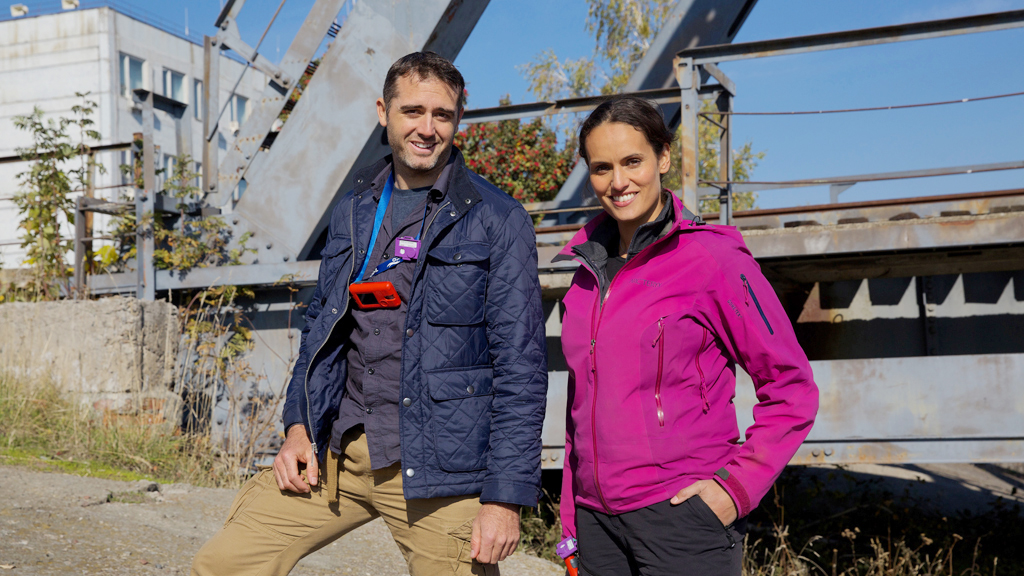
Scientists with unrestricted access to the Chernobyl exclusion zone investigate the long‑term impact on the environment, wildlife and their ecosystems. Their research examines how flora and fauna have responded thirty years after the disaster in the planet’s most contaminated region.
About This Program ✦
is a one‑off television programme that takes viewers into the heart of the world’s most radioactive site. The series is presented as a single, self‑contained documentary, offering a focused look at the long‑term consequences of the 1986 disaster. Its title signals a clear purpose: to examine what has happened in the three decades since the explosion, and to consider how the landscape has changed in the years that followed. The film follows a team of scientists who have been granted unrestricted entry to the Chernobyl exclusion zone. With no barriers to their movement, these researchers are able to conduct on‑the‑ground investigations, gathering data directly from the most contaminated parts of the area. Their work centres on assessing the state of the environment and observing the behaviour of wildlife that has managed to survive, or even thrive, amidst the lingering radiation. By concentrating on the ecological and zoological impacts after thirty years, the programme highlights how nature has responded to an extreme, man‑made disaster. It showcases the contrast between the zone’s hazardous reputation and the surprising resilience of its flora and fauna, offering a factual snapshot of life in a place long considered uninhabitable.

Life After: Chernobyl broadcasts on Discovery History at 8:00pm, Monday, 9 February 2026. (Subtitles)