World's Deadliest Weather: Caught on Camera
About This Show
World's Deadliest Weather: Caught on Camera is a education/science/factual topics series airing on UK television.

Recent Airings
No upcoming airings scheduled
Showing recent airings from the last 3 months. This show may return in the future.
Saturday 17 January


Sunday 18 January
Monday 19 January
A deadly volcano eruption causes catastrophic destruction, a tornado flips cars on a highway, and the HMS Coast Guard carry out a daring rescue mission
Flash floods tear through Maryland in the US, a couple get stranded in a Himalayan blizzard, and a boat race is besieged by a rare weather phenomenon
The effects of Hurricane Sandy hitting America, cavers in California caught in flash floods, and the hot-air balloon brought down by wild winds in Canada
Sunday 25 January
The programme showcases dramatic footage of three extreme events. First, it captures the relentless wildfires sweeping across California, illustrating the scale of the blazes and the impact on the landscape. It then turns to a violent tornado that hurls itself through a petrol station, leaving people inside the forecourt in a desperate struggle for safety. Finally, the episode follows a group of daredevils as they're jumping from aircraft and gliding over the icy expanse of Antarctica, highlighting the stark contrast between the frozen continent and the adrenaline‑fueled descent. Together, these sequences offer a stark look at nature’s power and human daring.
The episode shows a series of extreme weather events across the globe. In Australia, powerful floods have swept through communities, leaving many people trapped in their homes and forced to wait for rescue. Meanwhile, a base jumper finds himself isolated after a jump goes wrong, left to endure sub‑zero temperatures while awaiting help. In the United States, a fierce hailstorm rolls across Texas, pounding the state with large, damaging hailstones that shatter windows and ruin property. Each story highlights how quickly conditions can turn dangerous, putting ordinary people in precarious situations that demand swift emergency responses. Rescue crews and local authorities scramble to provide aid and clear the debris.
Monday 26 January
A volcanic eruption in Hawaii tears through a residential area, wiping out an entire neighbourhood and leaving its inhabitants suddenly homeless and exposed to the elements. In a separate catastrophe, the deadly flood waters unleashed by Hurricane Harvey trap numerous people, prompting a band of good Samaritans to wade into the hazardous currents and pull the stranded residents to safety. The two incidents, though occurring in different parts of the United States, underscore how quickly natural forces can devastate communities and how ordinary citizens can step forward, offering immediate aid and urgent relief, and life‑saving assistance when disaster strikes. today.
The programme examines the seismic events that struck Turkey and Syria, causing widespread devastation. It details how the tremors caused structures to collapse and left countless residents trapped beneath the rubble. By focusing on the immediate aftermath, the episode highlights the scale of the destruction and the plight of those caught in the disaster. Viewers are presented with footage and accounts that illustrate the sheer force of the earthquakes and the challenges faced by emergency responders as they work to free those ensnared in the wreckage. It provides a stark visual record of collapsed buildings and the urgent need for rescue operations, underscoring how quickly the landscape was transformed.
Record‑breaking heat has sparked a series of wildfires on England’s east coast, quickly overwhelming the region’s rescue teams. The flames have leapt across dry vegetation, compelling fire crews to devote all available resources to containment and to safeguard nearby homes and infrastructure. Coordinated efforts between fire services and police have been deployed to manage the shifting situation. Meanwhile, a powerful storm has hammered the Greek island of Skiathos, causing floodwaters to surge into coastal streets and trapping a large number of tourists. Local authorities are scrambling to evacuate the stranded visitors and to provide emergency assistance as the water levels continue to rise. The storm’s intensity has also disrupted transport links, complicating the logistics of moving people to safety.
Monday 2 February
The episode examines the devastation wrought by Typhoon Odette across the Philippines, where entire neighbourhoods were flattened and millions were rendered homeless. It’s a vivid picture of the chaos that followed the storm, illustrating how whole villages were reduced to rubble and how the displacement disrupted everyday life for countless families. In a separate segment, the programme follows a British hiker who narrowly avoided being buried by an avalanche while trekking in Kyrgyzstan, underscoring the razor‑thin margin between safety and disaster in mountainous terrain and highlighting his fortunate escape. Both stories are presented side by side, offering a stark contrast between a large‑scale natural disaster and an individual survival ordeal.
Acapulco, the famed Mexican holiday hotspot, is currently being hammered by the record‑breaking Hurricane Otis. The cyclone has produced extraordinary wind speeds and torrential rain, striking the coastal city, it's a city that has been left under severe strain as the region contends with an unprecedented weather event. The intensity of the storm highlights the city's exposure to extreme weather conditions. In the United Kingdom, relentless rain has persisted for days, turning normally dry ground into temporary lakes and flooding large swathes of the landscape. The unending downpours have devastated communities across the country, leaving residents to cope with widespread damage and the aftermath of the severe flooding. The scale of the inundation underscores the seriousness of the situation.
The programme opens with footage of the fierce winds that fed the Los Angeles fire, showing how the blaze threatened multimillion‑dollar homes across the city. The camera follows the gusts as they roar through streets, underscoring the intensity of the conditions that drove the inferno. It also highlights how quickly the fire spread under those winds. The segment then turns to the hurricane that slammed into Florida, presenting vivid images of the storm’s force and its impact on the coastline. It finishes with coverage of the volcanic eruptions in Iceland, capturing lava flows and ash clouds as they reshape the rugged landscape. The visuals convey the contrast between the calm before the storm and the chaotic aftermath.
Today
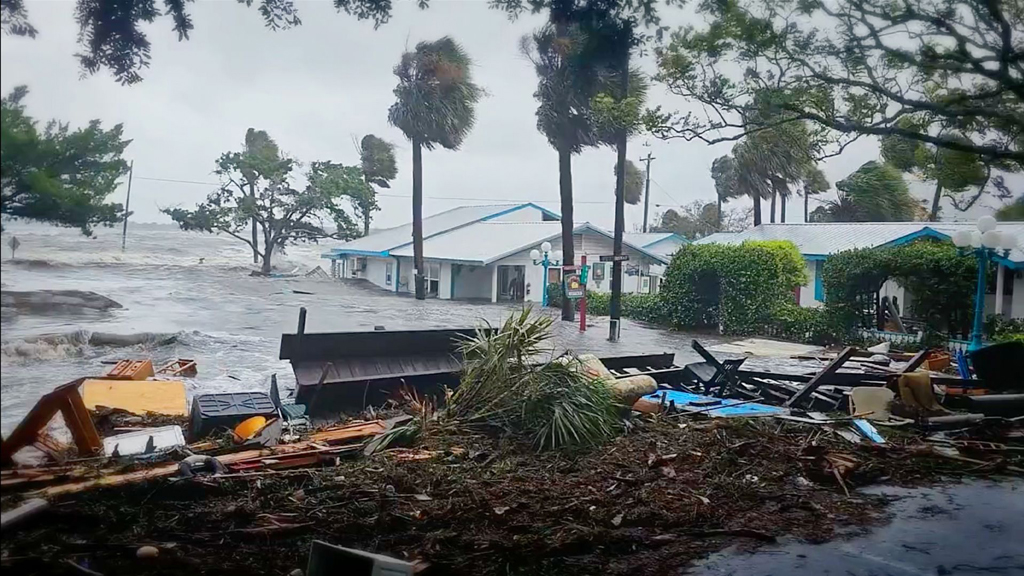
The episode showcases video footage of the moment Florida was hit by the raw fury of Hurricane Ian, as the storm battered the state's coastline with unrelenting force. The clips capture the sheer power of the cyclone, illustrating how the wind and rain slammed the shorelines in a dramatic display of nature's might. In this segment, viewers are presented with recorded images that document Florida confronting the wrath of Hurricane Ian, which pounded the coastal strip relentlessly. The material highlights the intense conditions as the hurricane's gusts and deluge struck the beachfront, offering a vivid visual record of the storm's devastating impact on the region.
Hurricane Idalia is barreling towards the United States, and it ranks among the most powerful storms ever recorded to strike Florida. The system is moving quickly, bringing fierce winds and heavy rain that could devastate coastal towns and inland areas alike. Authorities are closely monitoring its progress as it's closing in. At the same time, wildfires are raging across Oregon, consuming large areas of vegetation and forcing residents to abandon their homes. Communities are scrambling for safety, with evacuation orders issued as flames spread rapidly. The combined threat of the storm and the blazes underscores the severe weather challenges currently confronting the nation.
The episode provides an overview of the severe hurricane that struck the Caribbean island of Carriacou, leaving its infrastructure in ruins. It examines how the powerful storm swept across the island, completely destroying the existing facilities and leaving residents without essential services. By focusing on the extent of the damage, the programme highlights the magnitude of the natural disaster that reduced Carriacou’s built environment to a state of collapse. Viewers are shown the aftermath of the cyclone, where all forms of infrastructure have been wiped out, underscoring the profound impact of the event on the island’s daily life. The report doesn't delve into recovery efforts, focusing solely on the immediate devastation.
The programme presents vivid footage that documents the havoc and disorder unleashed by extreme weather events. Scenes of ruined structures, flooded streets and uprooted trees illustrate the sheer scale of the destruction, while the camera follows the unfolding chaos in real time. The relentless wind and driving rain are evident as debris is tossed about, underscoring the power of nature's fury. Interwoven with the visuals are personal testimonies from people who lived through the storms. These first‑hand accounts give viewers direct insight into the experience of surviving such conditions, describing the fear, the immediate aftermath and the challenges of coping with the aftermath. Survivors also recount the frantic search for safety and the relief of finding shelter amid the turmoil.