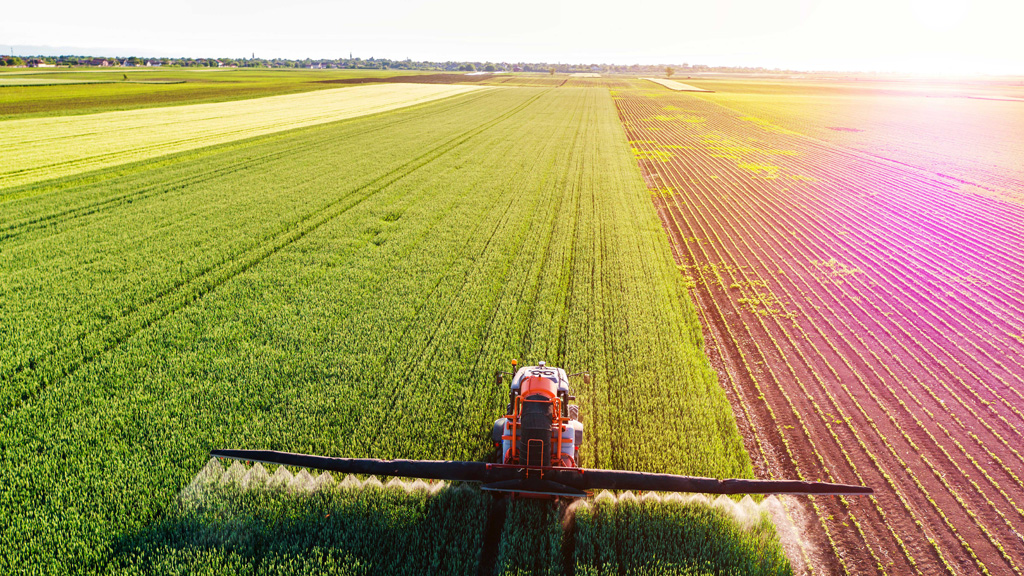
The programme looks at how the ancient civilisations of the Inca, Mesopotamia, Persia, Greece, China, Egypt, Rome and the Indus Valley continue to exert a deep influence on modern life. It draws attention to the lasting legacy of their contributions, particularly in the ways we produce and manage food today.
This episode concentrates on agriculture, tracing the farming methods, crop choices and land‑use ideas that originated in those early societies and still shape contemporary agricultural practice and food systems. By linking past practices to present‑day techniques, the show highlights the continuity of human ingenuity in feeding societies across millennia, today and beyond.
The episode shows how the ancient Inca, Mesopotamian, Persian, Greek, Chinese, Egyptian, Roman and Indus civilisations still leave a strong imprint on today’s world. Their ideas, structures and inventions continue to shape modern life, proving that the past isn’t as distant as it seems.
Focusing on communication, the programme explores how the ways these societies transmitted information still echo in the methods we use now. By tracing the threads of language, symbols and exchange that began in those early cultures, it highlights the lasting influence of their communication practices on contemporary society.
The programme surveys how the legacies of the Inca, Mesopotamian, Persian, Greek, Chinese, Egyptian, Roman and Indus societies still ripple through everyday life. It examines the ways their artistic achievements, religious ideas, architectural forms and cultural practices continue to shape contemporary customs, design and thought. These artistic achievements encompass painting, sculpture, pottery and textile work, while the religious ideas include rituals and mythic narratives, and the architectural forms range from temples to civic structures. By concentrating on art and culture, the episode highlights the enduring impact of these ancient civilisations on modern aesthetics and social habits, showing that the past remains a living influence on the present.